



Understanding the psychological triggers behind casino gambling behavior
The allure of gambling: Risk and reward
The excitement of gambling often stems from the innate human attraction to risk and reward. Casinos are designed to create an environment that maximizes this thrill. Bright lights, engaging sounds, and the potential for a significant payoff can easily create an addictive atmosphere. Many individuals are drawn to the idea that a small investment could lead to a life-changing windfall, igniting their desire to take risks. To explore this further, users can browse a variety of casino sites that cater to different preferences and strategies.
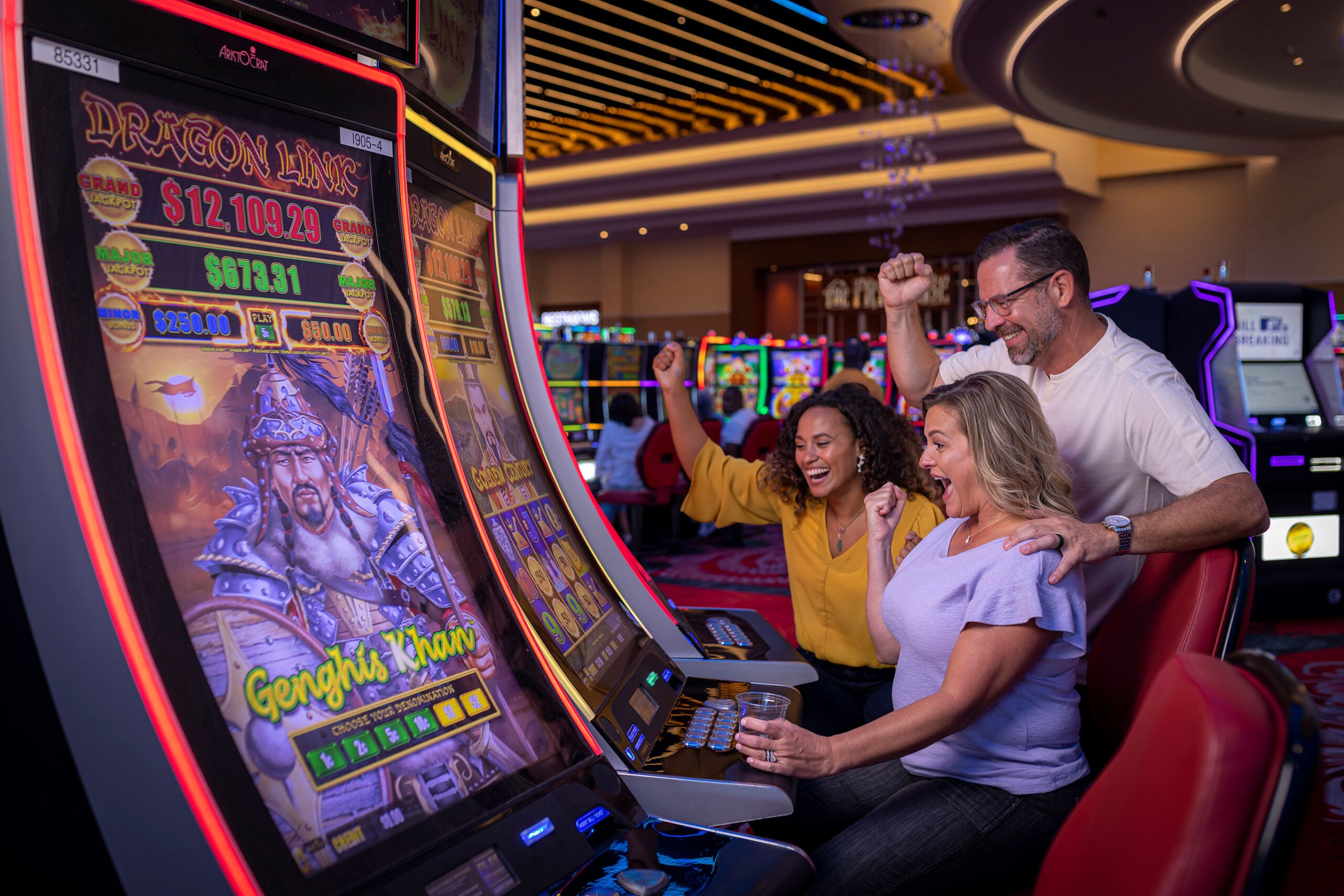
This risk-reward dynamic activates the brain’s reward system, releasing dopamine, a neurotransmitter associated with pleasure and satisfaction. As players experience wins, however small, they may become conditioned to chase those feelings, reinforcing their gambling behavior. Understanding this psychological trigger is crucial for recognizing when the allure of gambling begins to overshadow rational decision-making.
Emotional escape and the thrill of uncertainty
For many, casinos provide an escape from the stresses and pressures of daily life. The vibrant atmosphere and the thrill of uncertainty can serve as a temporary reprieve from reality. This emotional aspect can be particularly enticing for individuals dealing with anxiety or depression, as gambling offers a distraction that can feel both exhilarating and liberating.
Moreover, the unpredictability of gambling results can create a sense of suspense and excitement. This uncertainty taps into the human psyche’s fascination with chance, often leading to a cycle of repeated behavior. Those who experience emotional turmoil might find themselves turning to casinos as a coping mechanism, which can ultimately lead to problematic gambling habits if not managed responsibly.
Social factors influencing gambling behavior
Social dynamics also play a significant role in shaping gambling behavior. Many people enjoy the communal aspects of casino gambling, where interaction with others can enhance the experience. Whether through camaraderie at the poker table or shared excitement during a slot machine win, social engagement can heighten the overall thrill of gambling.
Additionally, peer pressure and social norms can influence gambling habits. Individuals may feel compelled to participate in gambling activities to fit in or impress others, reinforcing their engagement with casinos. Recognizing these social triggers can help individuals approach gambling with greater awareness and caution, fostering healthier habits.
The impact of marketing and casino design
The strategic design of casinos and their marketing techniques are also significant psychological triggers. From the layout of the gaming floor to the enticing promotions, everything is crafted to keep players engaged. Casinos often employ tactics such as free drinks and complimentary services to encourage prolonged play, creating an environment where players might lose track of time and money.
Moreover, advertisements often portray gambling as a glamorous lifestyle, contributing to the myth that winning is just around the corner. This reinforces unrealistic expectations and can lead individuals to ignore the risks associated with gambling. Understanding how marketing plays a role in shaping perceptions can empower players to make more informed choices.
Promoting responsible gambling and self-awareness
As awareness of the psychological triggers behind gambling behavior grows, so does the importance of responsible gambling practices. Recognizing the emotional and social factors that contribute to gambling can help individuals make more informed choices. Setting limits on time and money spent on gambling is a crucial step in maintaining a balanced approach.
Additionally, fostering self-awareness about one’s motivations for gambling can lead to healthier habits. Individuals are encouraged to engage in self-reflection and seek support if they find their gambling is becoming problematic. Resources and support systems are available for those who need assistance in managing their gambling behavior effectively.